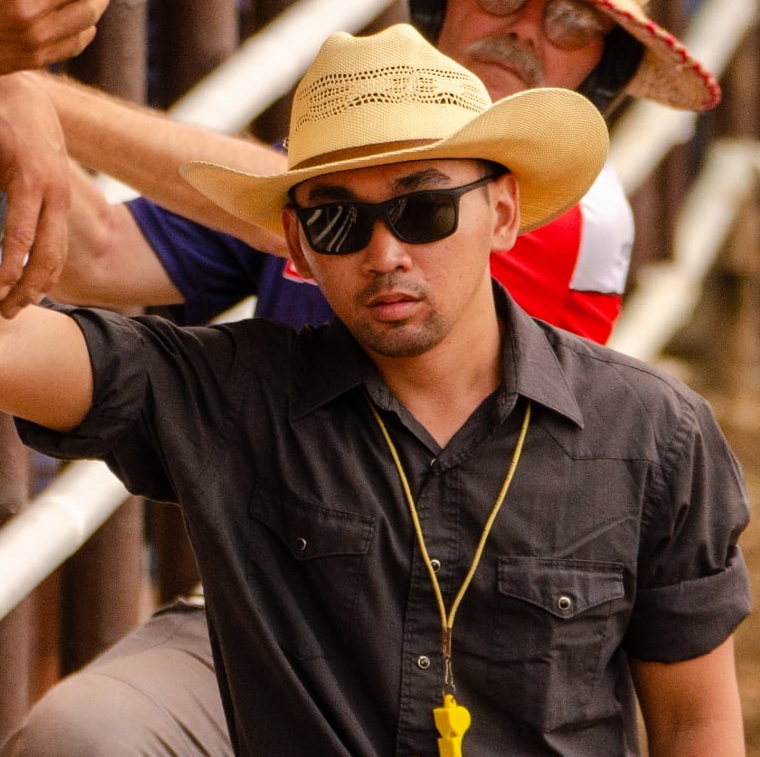
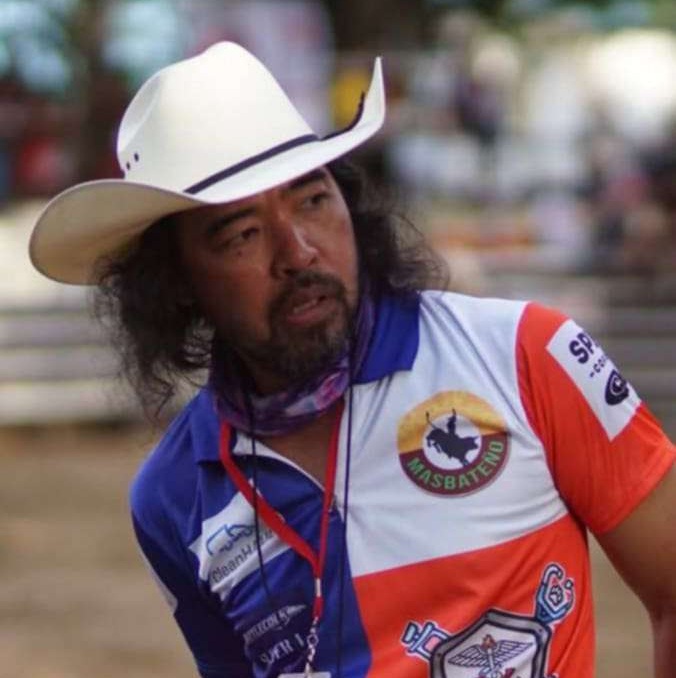
Philippine Rodeo Finals Events
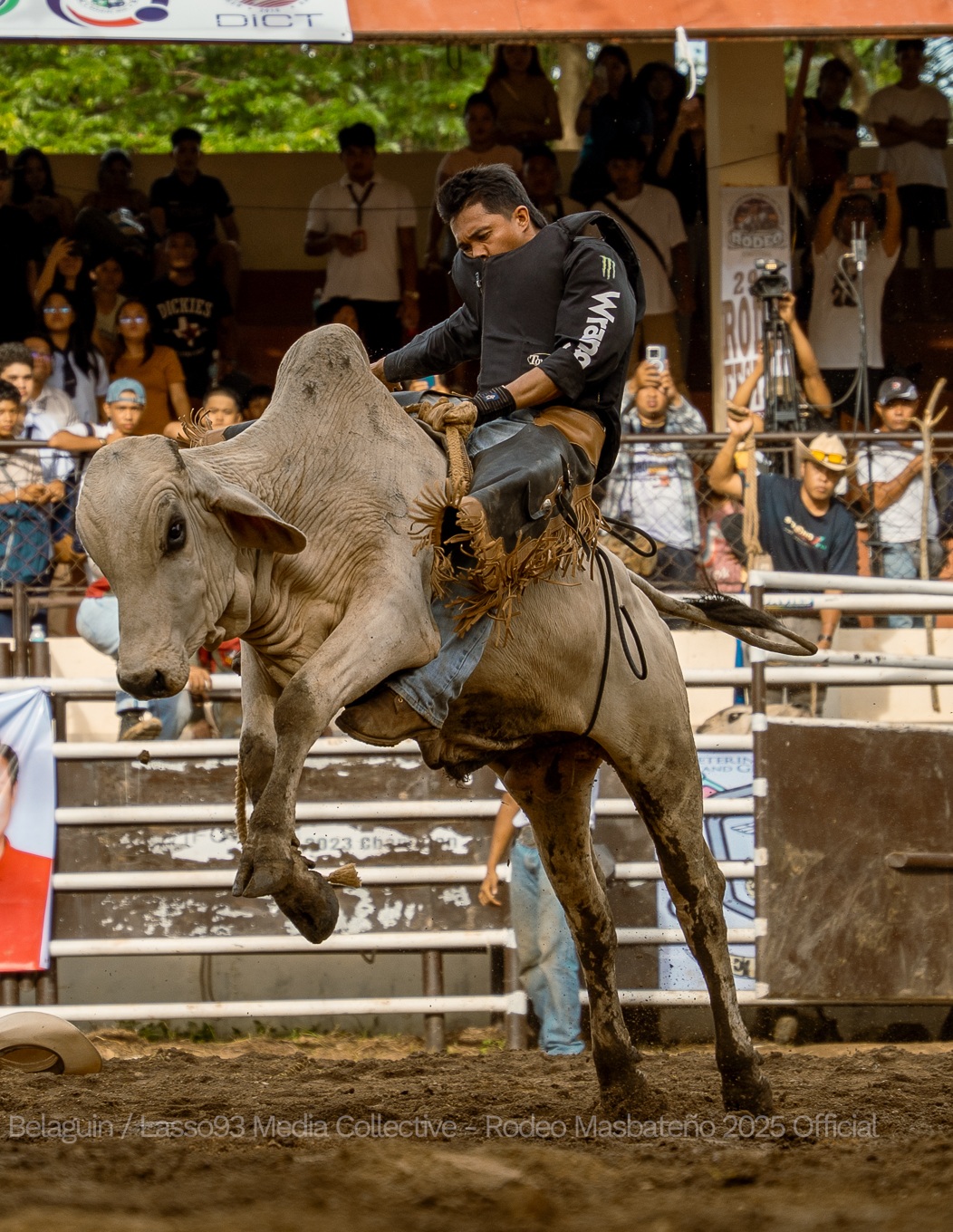
Bull Riding
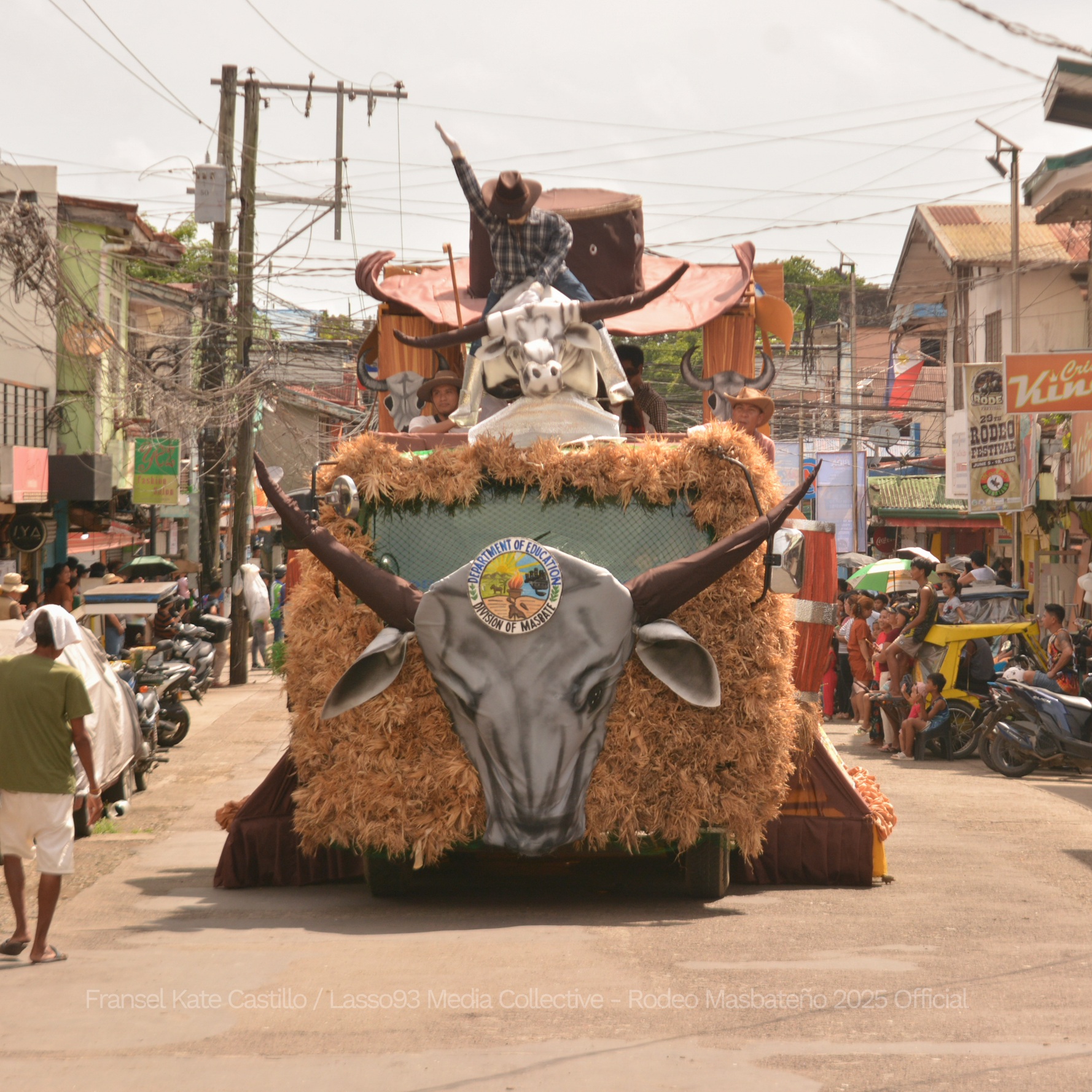
The arena falls quiet as the bull settles inside the chute, its muscles shifting beneath thick hide and dust. A rider climbs on, gripping the bull rope wrapped snugly behind the animal's front legs, one hand locked in, the other raised for balance. As the gate swings open, the bull surges forward, twisting and bucking with explosive force. For eight seconds, rider and animal move as one violent rhythm, a struggle of balance, instinct, and resolve played out before a roaring crowd.
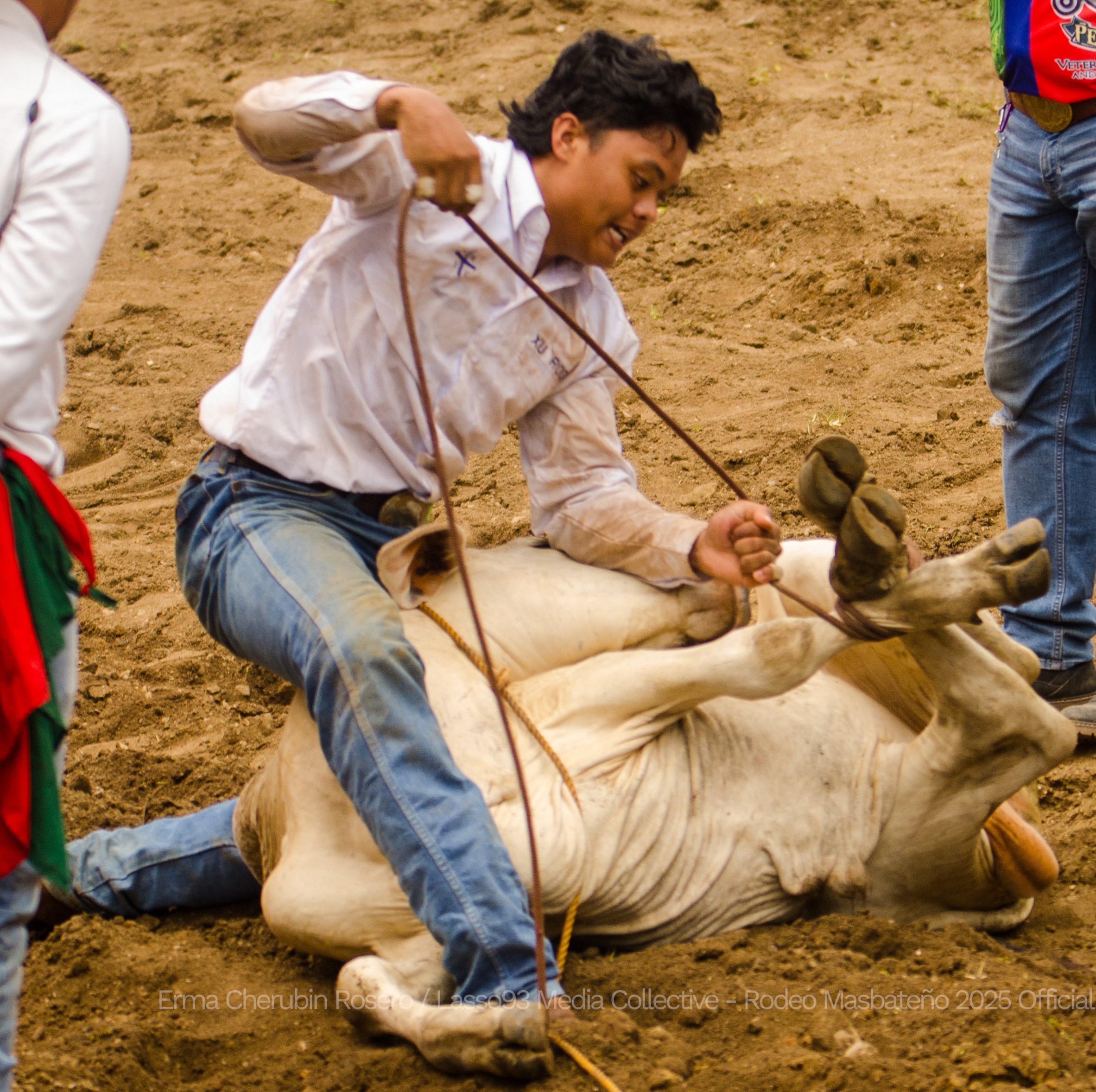
Casting Down
The steer enters the arena as four contestants move into position, ropes coiled and eyes fixed on the animal's movement. In near unison, lariats are cast, looping cleanly around the steer as the team works together to control its momentum. With a coordinated pull and a shared rhythm, the animal is guided safely to the ground, dust rising as strength and timing meet precision. One member moves in to secure the legs while the others hold steady, every action deliberate and controlled.
Casting Down is a team event performed entirely on foot, requiring coordination, communication, and proper rope handling. At least two clean head catches are required before the animal can be brought down, and all ropes must be properly positioned. Once the steer is on the ground, all four legs must be tied using a single rope within the allotted time. Fouls such as improper head catches or unsafe rope placement result in disqualification. The event showcases collective skill and discipline, reflecting the cooperative nature of ranch work and the shared responsibility at the heart of the Philippine Rodeo Finals.
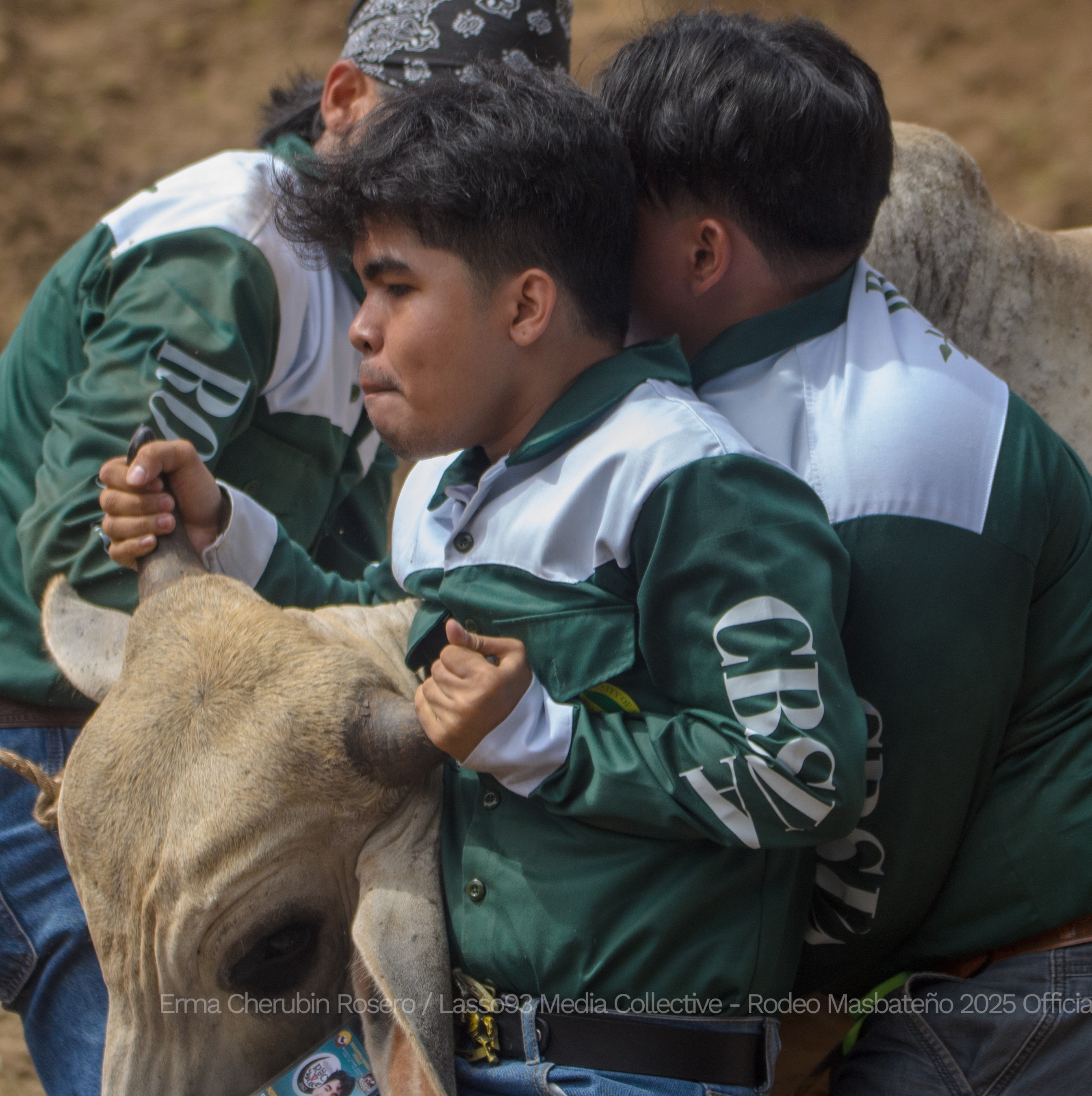
Carambola
Carambola begins in chaos. As the animal enters the arena, teams rush forward with nothing but their bodies and coordination to rely on. No ropes, no lassos, just hands, timing, and teamwork. The first player to secure the neck claims the animal, and the rest of the team moves in to wrestle it down in a coordinated surge of motion and strength.
This event strips rodeo to its rawest form. Teams of two or four must restrain the animal and bring it safely to the ground within the time limit, ensuring it cannot stand again within the judges count. Precision and communication are critical, as interference or unsafe handling leads to disqualification. Carambola showcases trust between teammates and deep familiarity with animal movement, turning controlled chaos into disciplined action.
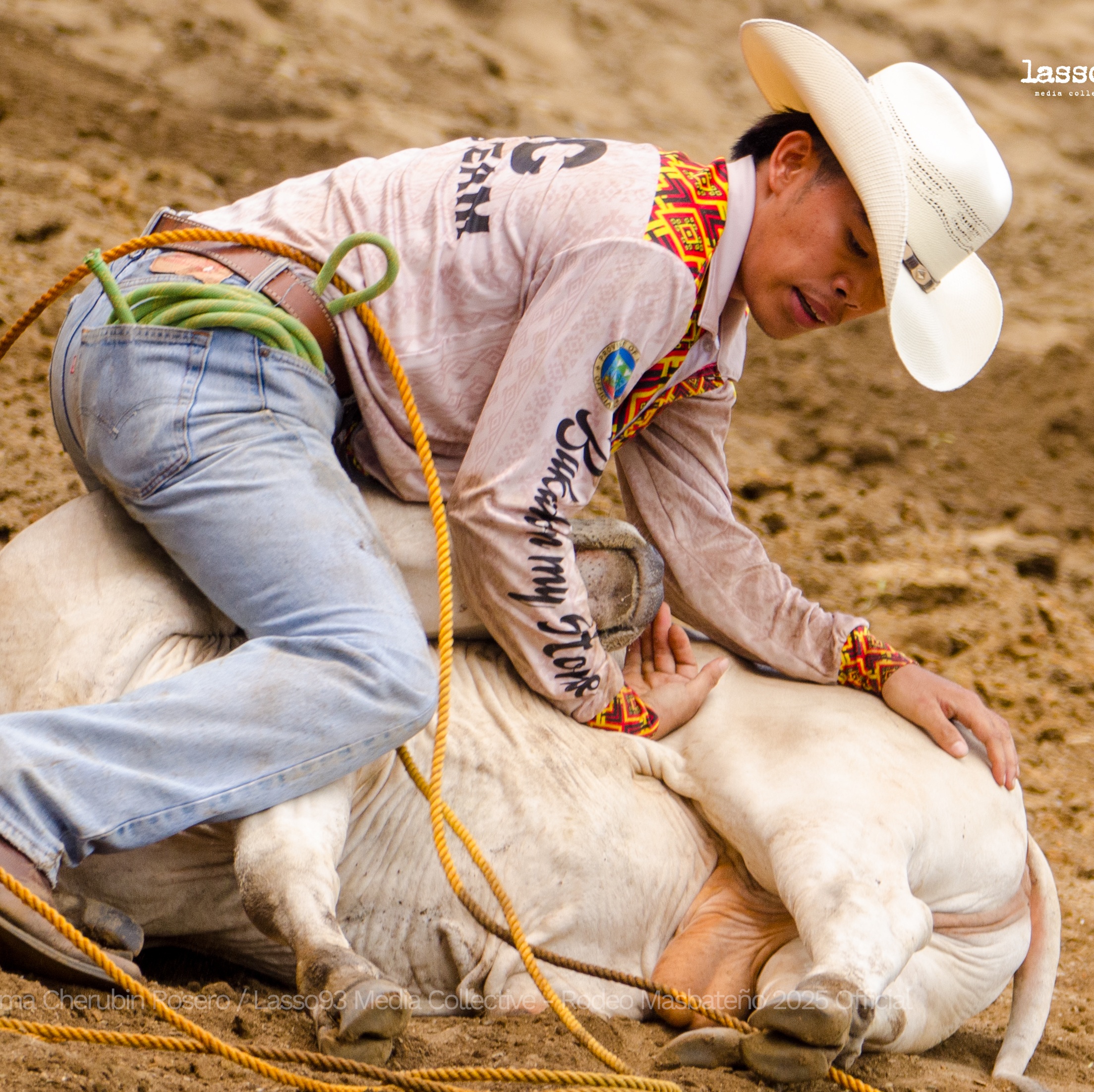
Cattle Lassoing Wrestling On Foot
The steer bursts into motion, hooves churning up clouds of dust, as the contestant coils their rope and braces for action. With a swift, precise throw, the lasso lands around the animal's neck. In one fluid movement, the wrestler brings the steer to the ground and secures three legs, every second measured against the ticking clock. The crowd watches, tense, as skill, strength, and timing merge into a single, decisive moment.
Using only a lariat or short utility rope, the contestant has three chances to capture the steer and must complete the tie within the allotted time. The animal must remain down until the judge's count ends, and any misstep, such as failed throws, improper ties, or the steer standing too soon, results in disqualification. On-foot Cattle Wrestling transforms everyday ranch work into a fast-paced test of agility, strategy, and calm precision.
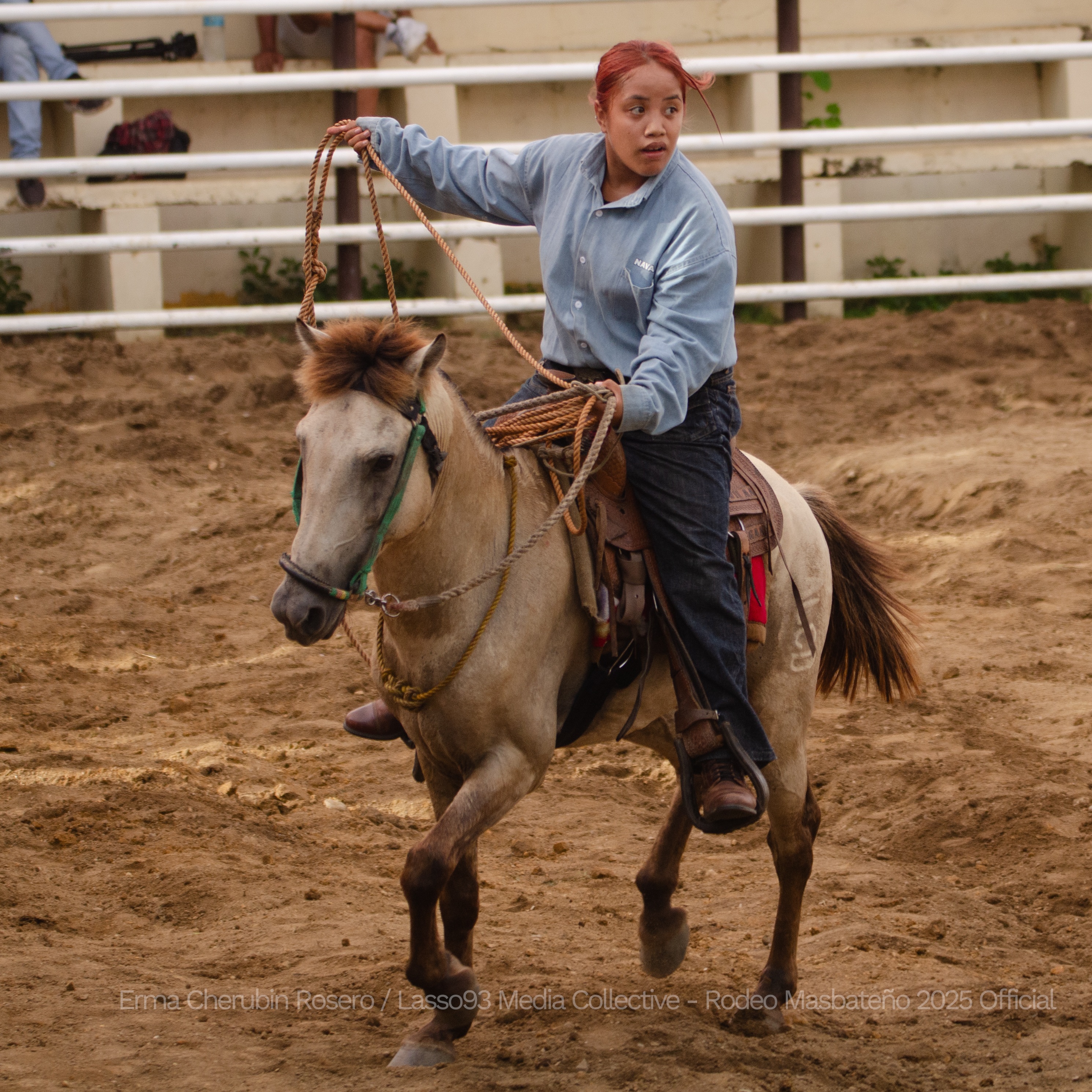
Steer Lassoing On Horseback
The rider leans forward, hand tight on the coiled rope, as the horse surges beside the charging steer. With a practiced swing, the lariat flies through the air, settling snugly around the steer's neck. In a single fluid motion, the rider ties the rope to the corral post and signals completion as the animal stands restrained. The event is a delicate dance of timing, coordination, and mastery over both horse and rope.
Contestants have only three throws to secure the animal, and the rope may touch only the neck. The rider must remain mounted at all times, demonstrating speed, accuracy, and calm control. Steer Lassoing on Horseback turns the essential ranch skill of roping into a high-stakes performance, combining focus, rhythm, and poise.
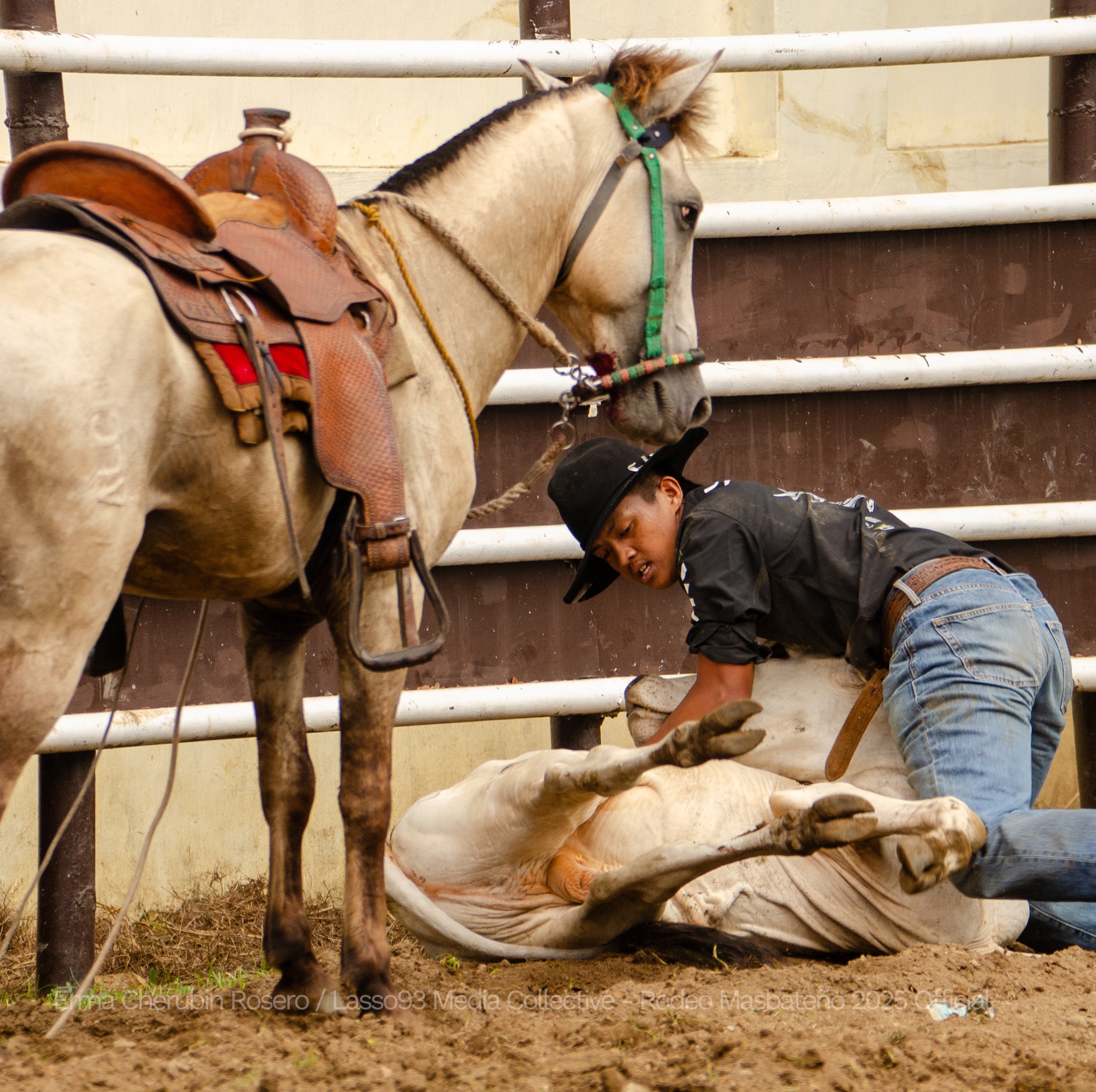
Steer Wrestling From Horseback
Mounted on a swift horse, the contestant gallops alongside a running steer, eyes locked on the target. At the perfect instant, they leap from the saddle, hands gripping the base of the steer's neck, using body weight and leverage to bring the animal to the ground. Every motion is choreographed by instinct, training, and trust between rider and horse, as the clock counts down each critical second.
This event relies on careful timing and minimal equipment including a responsive horse, a secure saddle, and a rope for tying legs after the steer is down. The rider must maintain a firm hold on the neck before touching the ground and may only grab the upper portion of the animal. Speed, precision, and controlled strength determine success, highlighting the traditional ranch skill of restraining livestock while mounted.
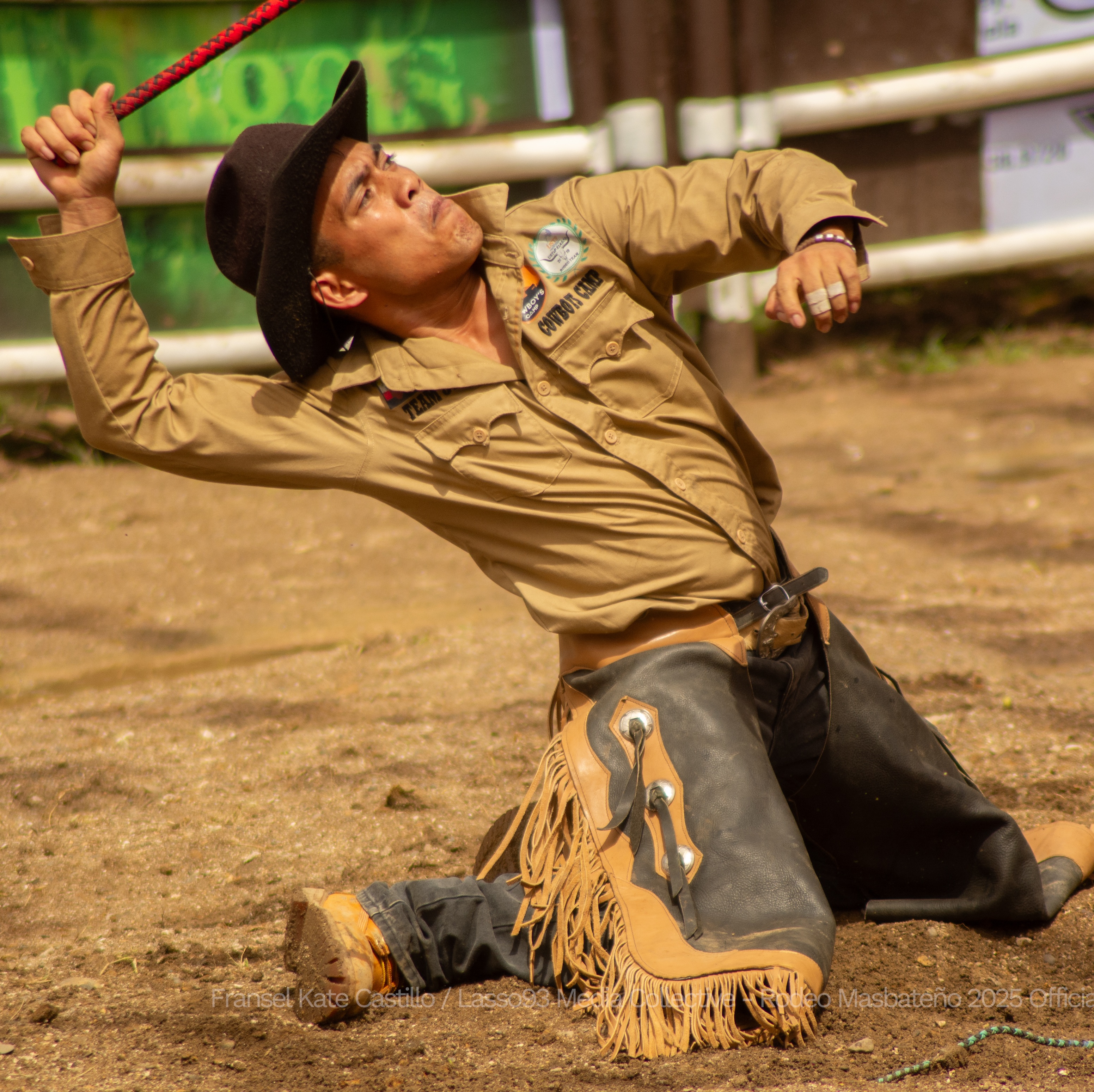
Bull Whipping
Bull Whipping fills the arena with sharp cracks that echo off the grandstands, not as an act against an animal, but as a performance of sound and motion. The competitor steps forward alone, whips coiled loosely in hand, then sends them slicing through the air in rhythmic patterns. Each crack is deliberate, controlled, and expressive, drawing cheers from the crowd.
Despite its name, Bull Whipping does not involve striking bulls or any animals at all. It is a non-cattle event judged purely on technique and artistry. Competitors may use one or multiple bullwhips, switching as needed within the two-minute time limit. Judges score based on sound, fluidity of movement, and showmanship, celebrating the whip as a traditional ranch tool transformed into a display of skill and performance.
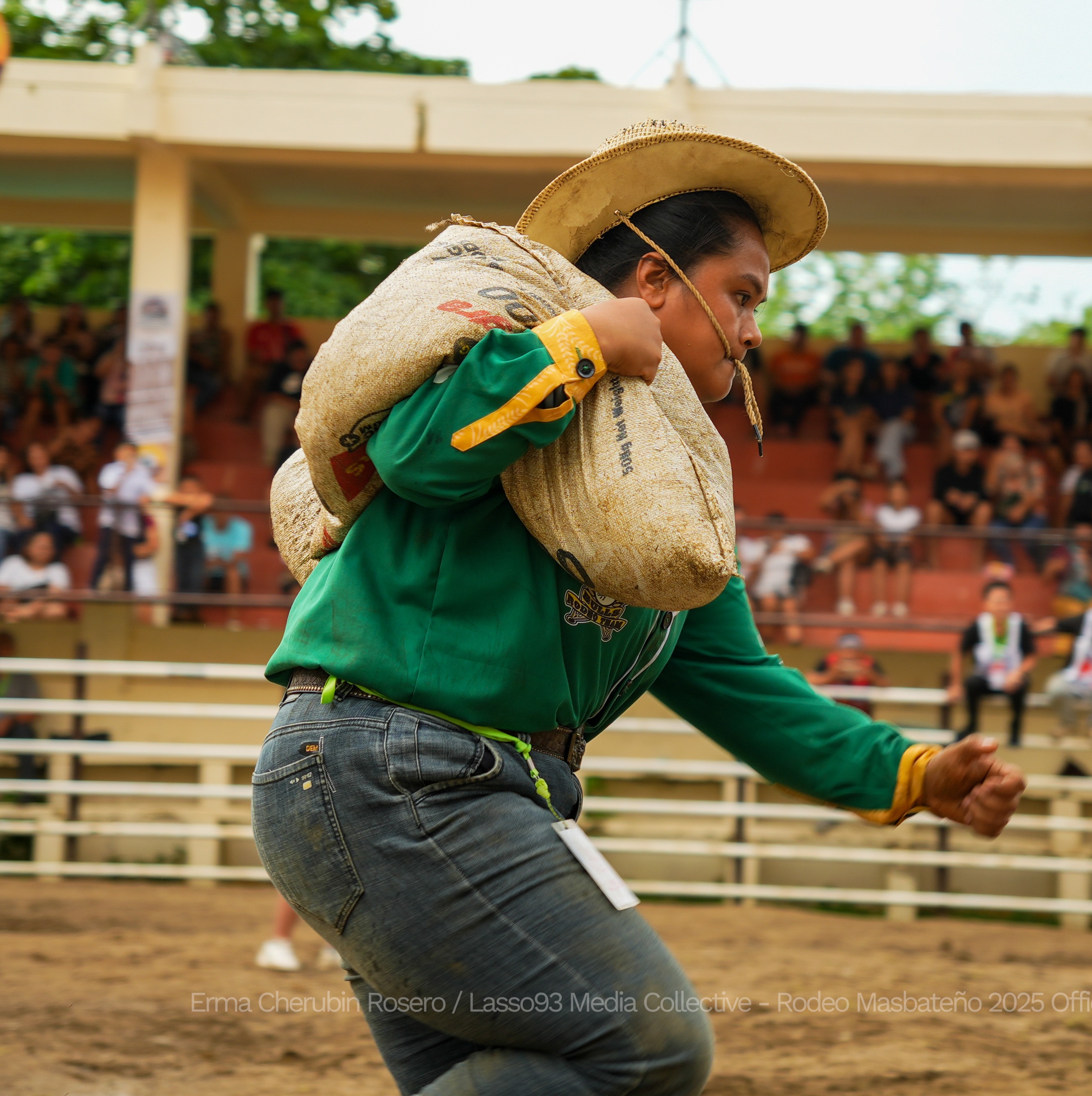
Load Carrying Relay
Four team members line up beside neatly stacked sacks of sand, each weighing as much as a grown person. At the signal, the first carrier hoists a sack onto their shoulder and runs toward the designated point, muscles straining with every step. After dropping the load, they sprint back and hand over a cowboy hat, the signal for the next runner to move. The sequence continues until all sacks are carried out and returned, stacked cleanly once more.
The event uses weighted sacks and strict stacking rules, with penalties for spills or improper piling. Speed determines the winner, but teamwork decides success. Every handoff, every step, and every placement must be precise. The Load Carrying Relay reflects the shared labor of ranch life, where endurance and cooperation matter as much as strength.