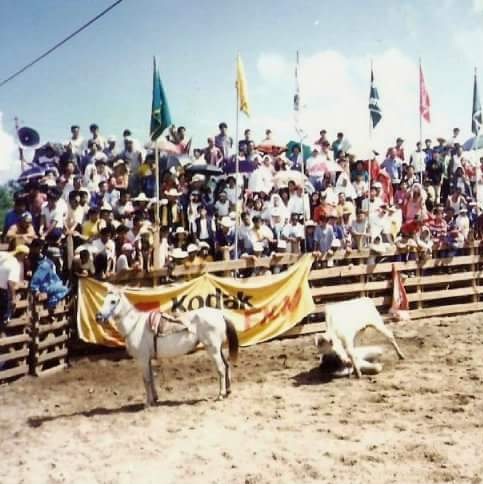
In 1992, the idea for the Rodeo Masbateño Festival arose, intending to promote the local cattle sector. A group of Masbate farmers and merchants called MAKUSOG established the Rodeo Masbateño Foundation to boost the local livestock in their locality.
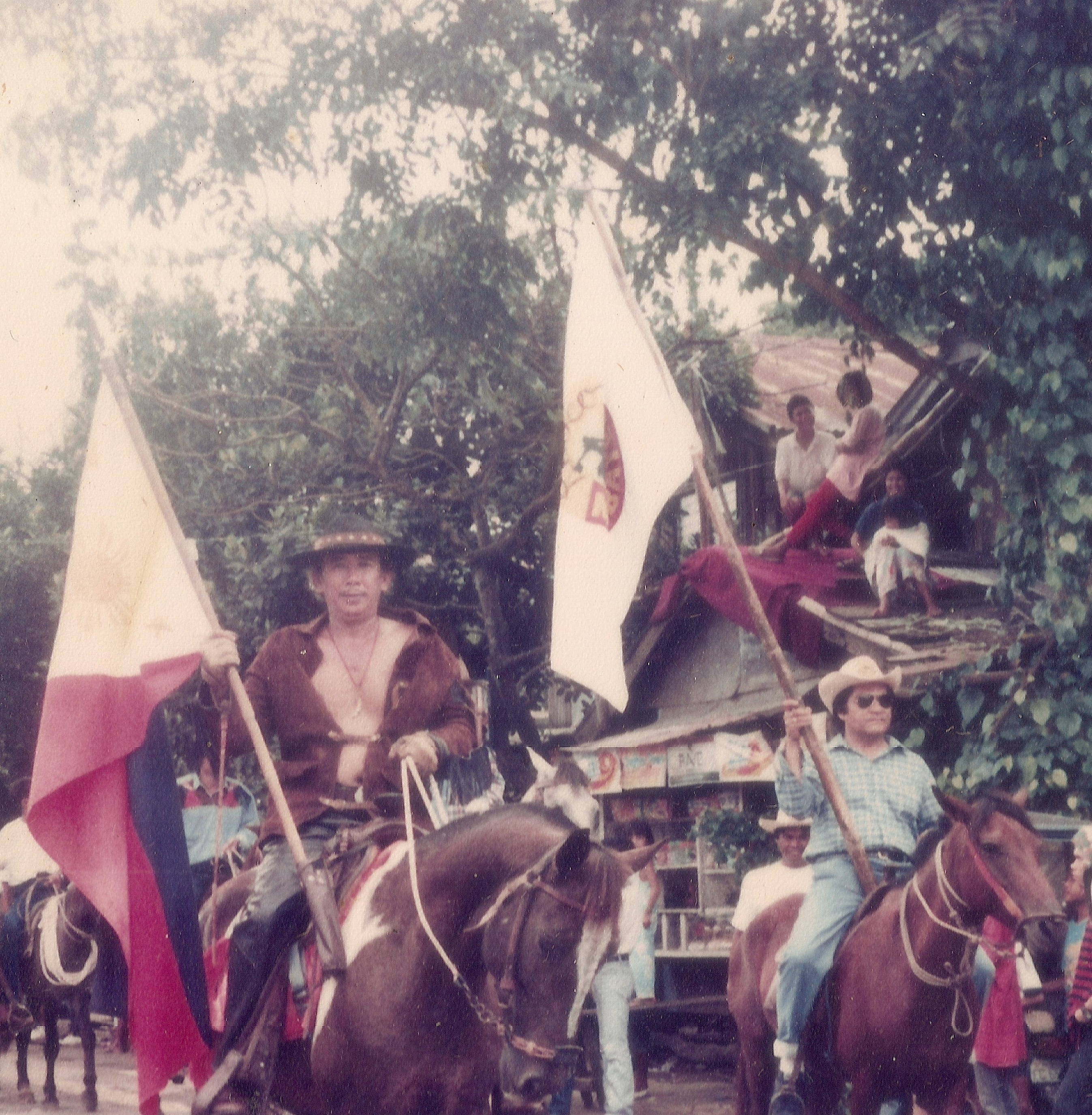
The inaugural Rodeo was held in 1993 with the help of Emilio Espinosa Jr., the province governor. After that, it grew into an annual occasion that boosted local pride in their province's distinctive identity and goods while enhancing tourism and business in the area.
Rodeo Masbateño subsequently replaced the original name for the event, Rodeo Filipino. Over the years, it developed into a national celebration that drew visitors from around the Philippines and overseas.
At the time of its founding, Masbate’s cattle industry faced serious challenges that called for both local initiative and national attention. The launch of the rodeo aimed to revive the industry and to strengthen public awareness of Masbate’s potential as a major cattle-producing province. It also served as a unifying effort between the government, ranchers, and the wider community.
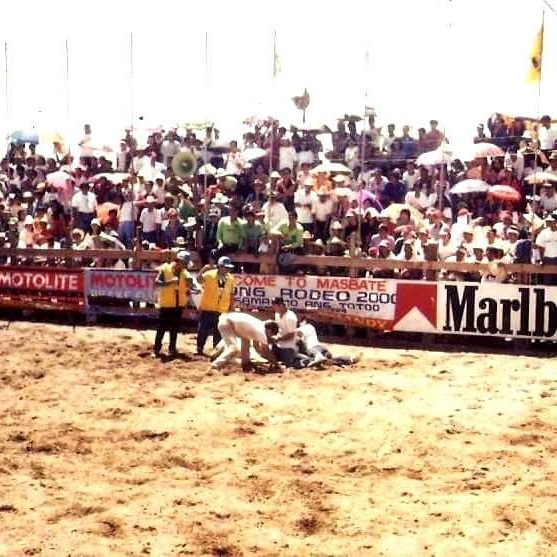
As the event gained momentum, Rodeo Masbateño grew beyond its modest beginnings and earned national recognition. Participants and spectators from different parts of the Philippines, and later from abroad, began to take part, transforming the rodeo into a prominent agricultural and cultural gathering.
The continued success of the rodeo opened new opportunities in trade and tourism for the province. Investors and exhibitors from Laguna, Batangas, Cebu, and Bicol joined the festivities, using the event as a platform to promote products and build partnerships. In time, Masbateños chose to reclaim the name Rodeo Masbateño in place of Rodeo Filipino, affirming its deep local and cultural meaning.

Executive Order No. 120, signed by then-President Gloria Macapagal Arroyo on September 2, 2002, officially declared the Province of Masbate as the "Rodeo Capital of the Philippines," recognizing its strong cattle industry and deep-rooted ranching culture, celebrated annually through the Rodeo Masbateño Festival.
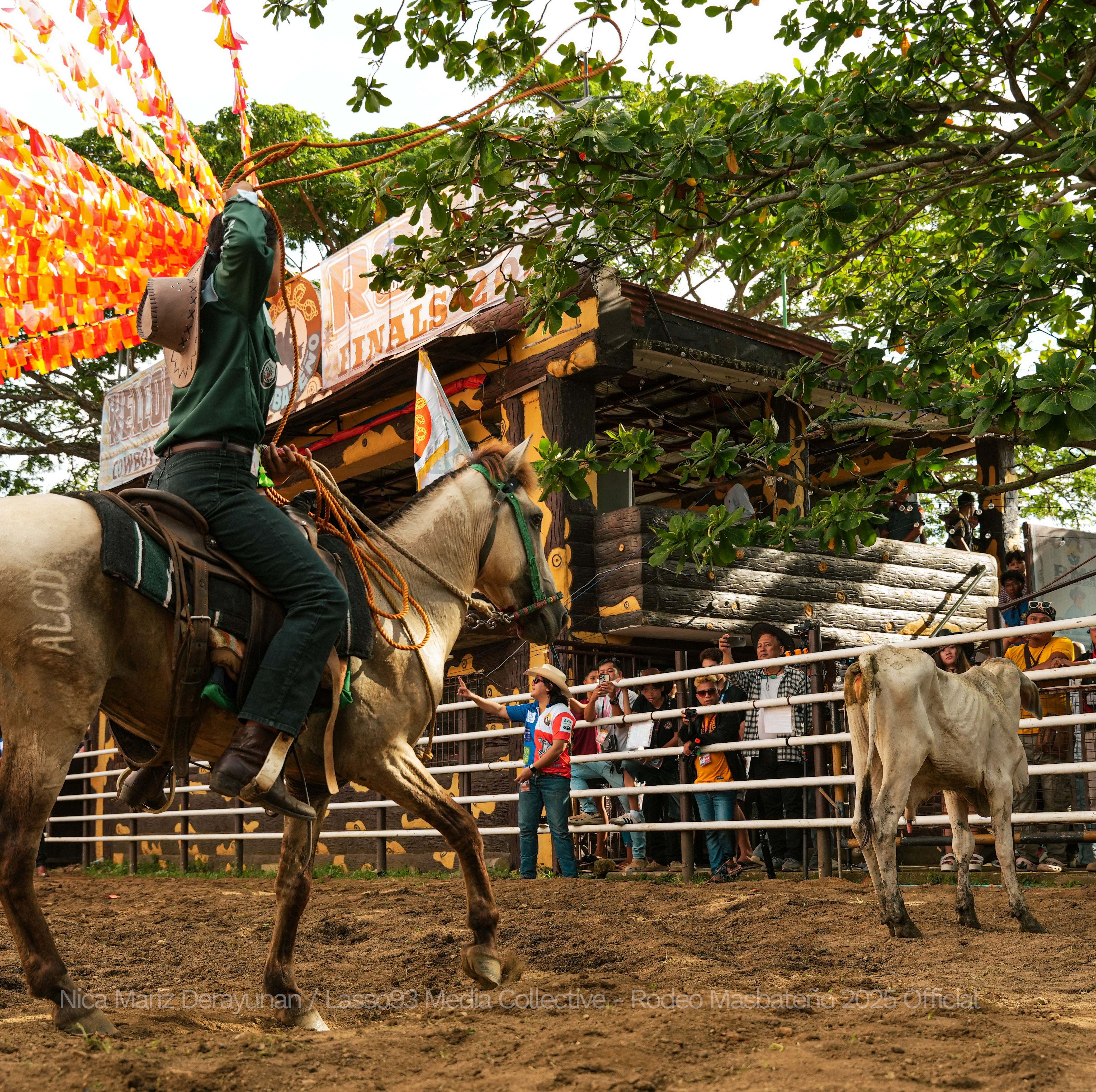
With its growth came the establishment of a permanent home at the Masbate Rodeo Grand Arena, the only venue of its kind in Asia with a seating capacity of up to 4,000. Rodeo Masbateño Inc. was formed to manage the annual festival, led by Congressman Espinosa and supported by a board of trustees and incorporators. This formal structure ensured the continuity and professional management of the event.
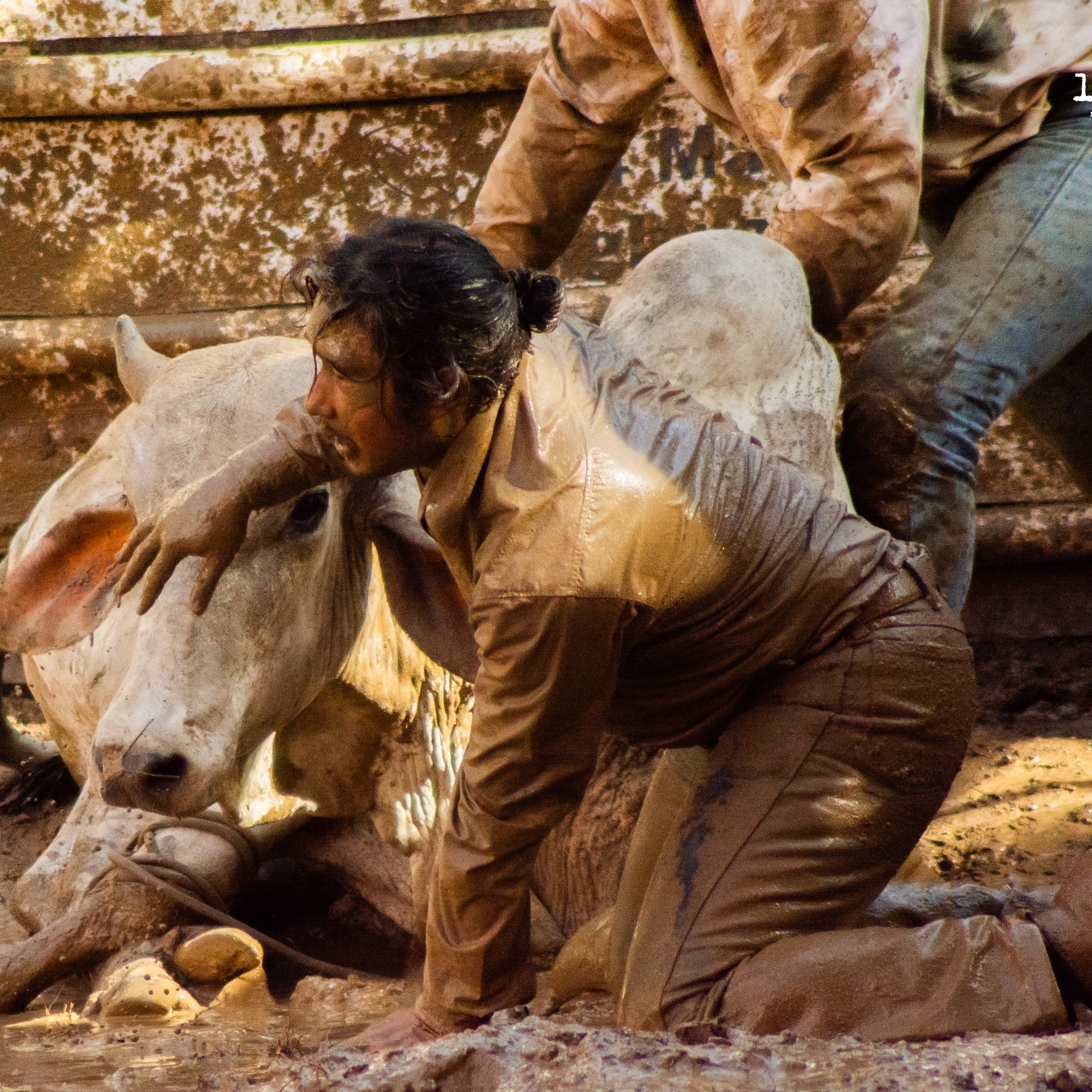
Over the years, the festival expanded to include competitive events such as bull riding, casting down, carambola, and livestock handling, alongside parades, trade fairs, and cultural performances. These activities reflected both the skill of the participants and the everyday rhythms of ranch life in Masbate. What began as a tribute evolved into a full-scale celebration of heritage and community.
Today, Rodeo Masbateño stands as a symbol of pride and unity for Masbateños, at home and abroad. More than a festival, it affirms Masbate’s identity as the Rodeo Capital of the Philippines and a living cultural heartland. Each yearly celebration honors a way of life rooted in cattle country, tradition, and shared history.
President
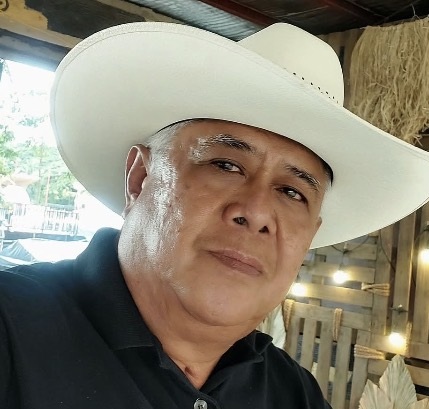
Vice President

Secretary
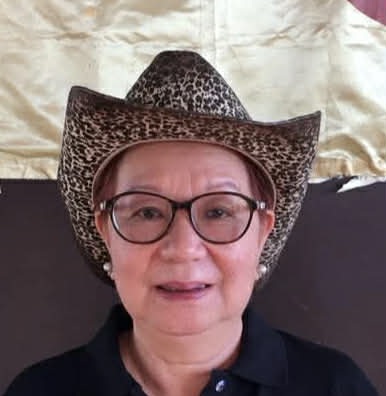
Treasurer
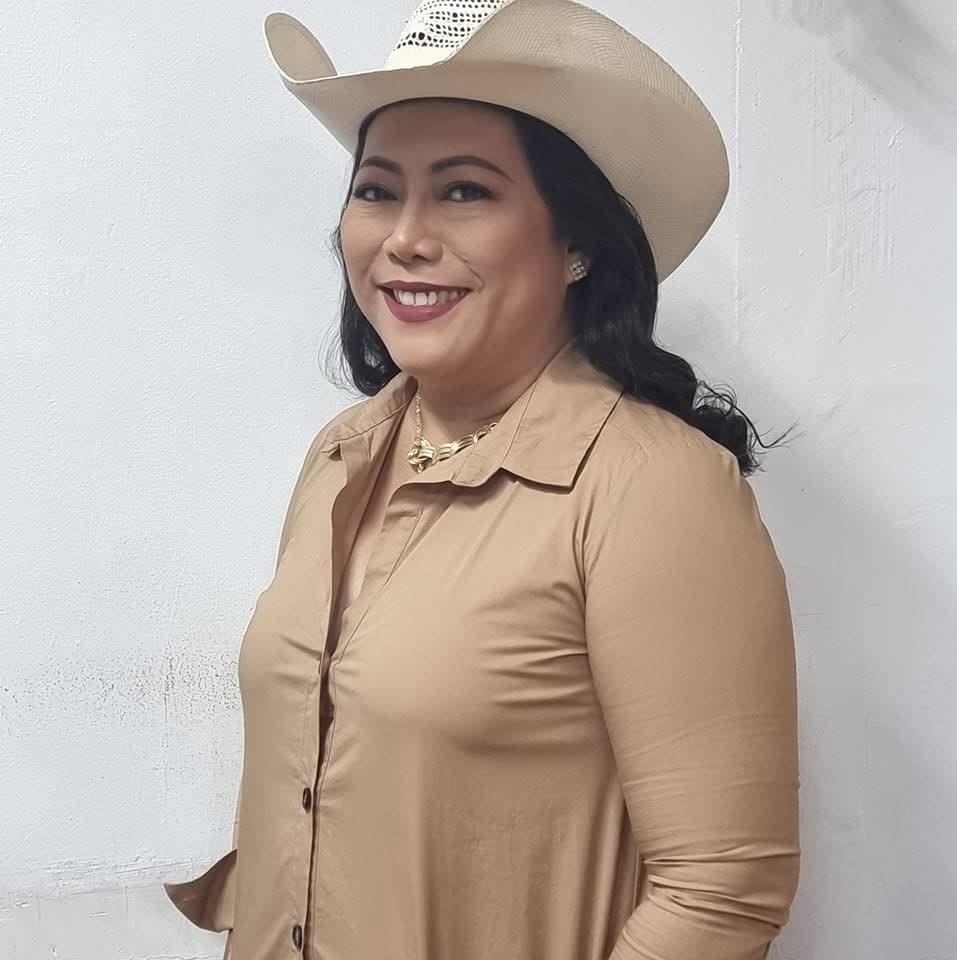
Auditor
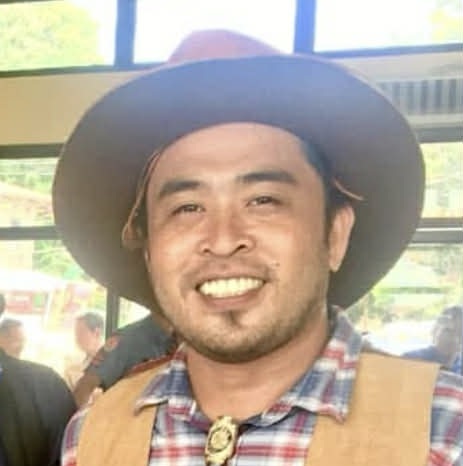
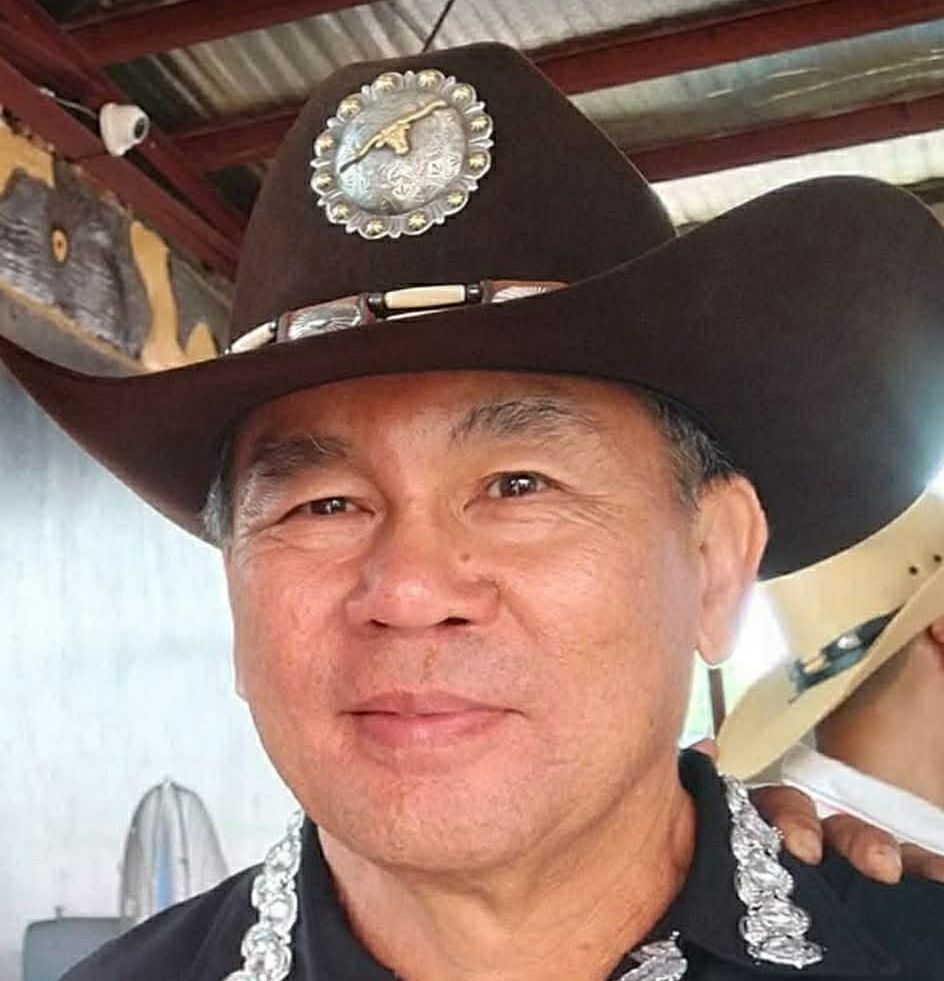

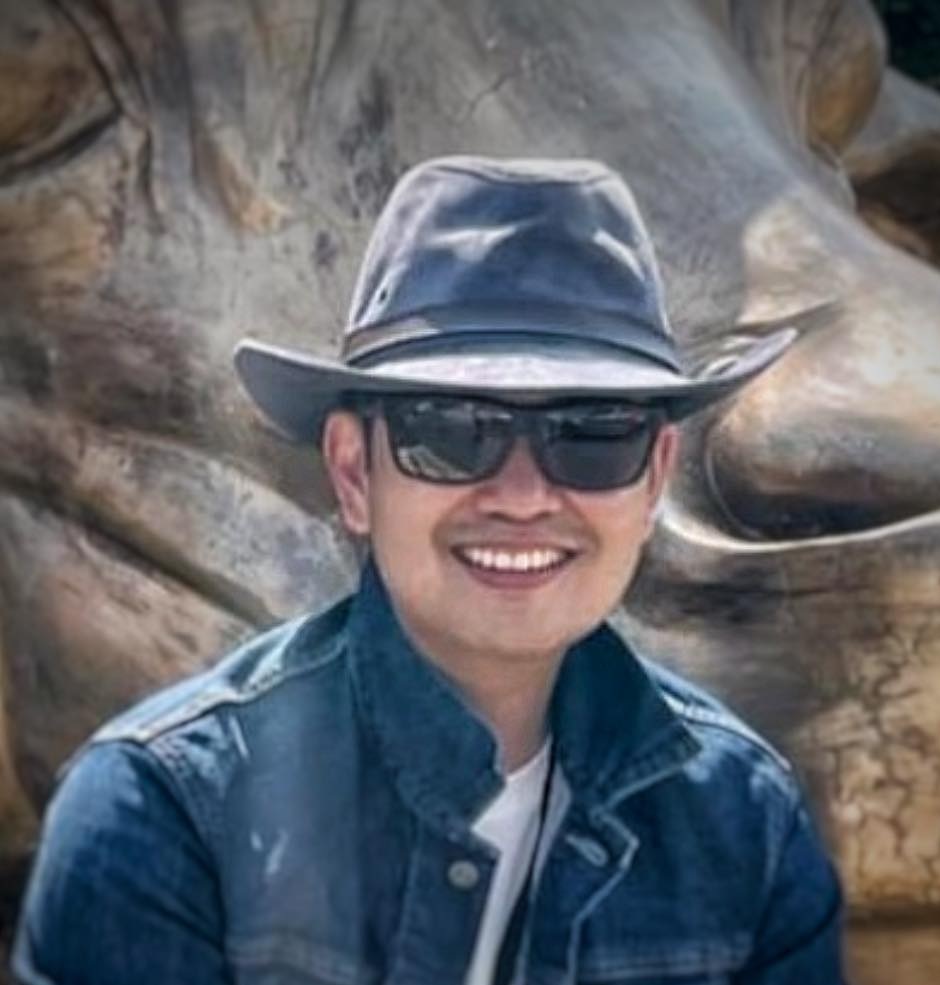
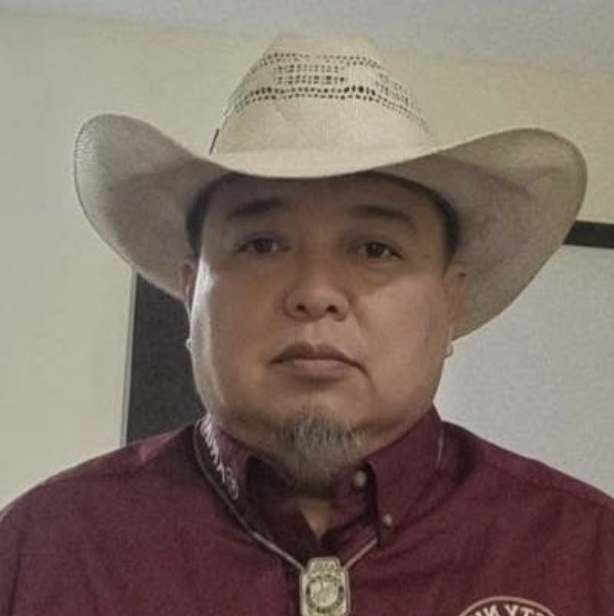
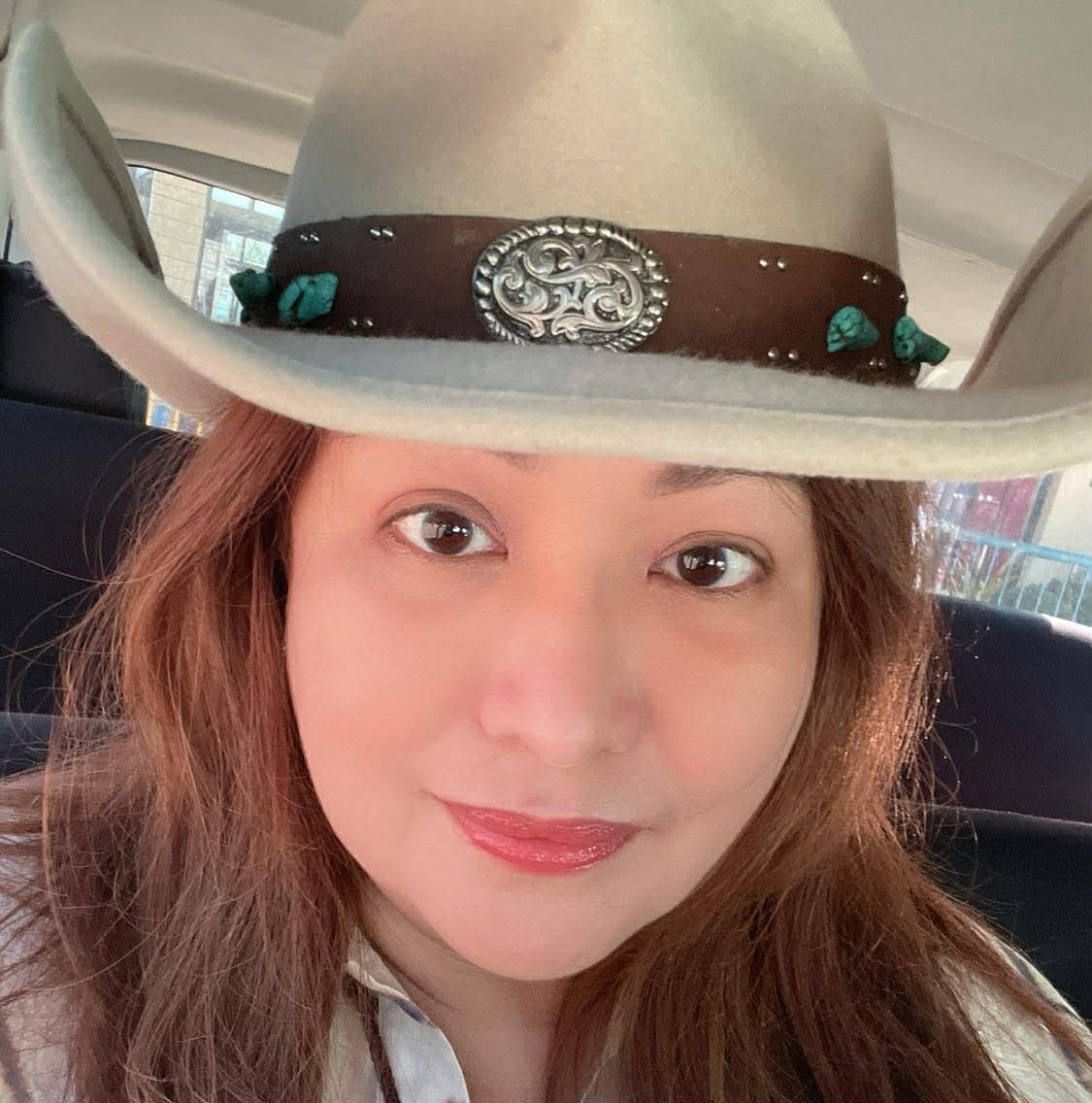
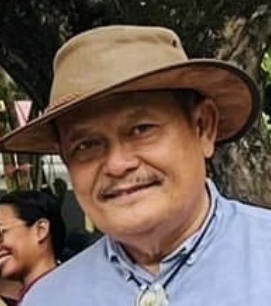
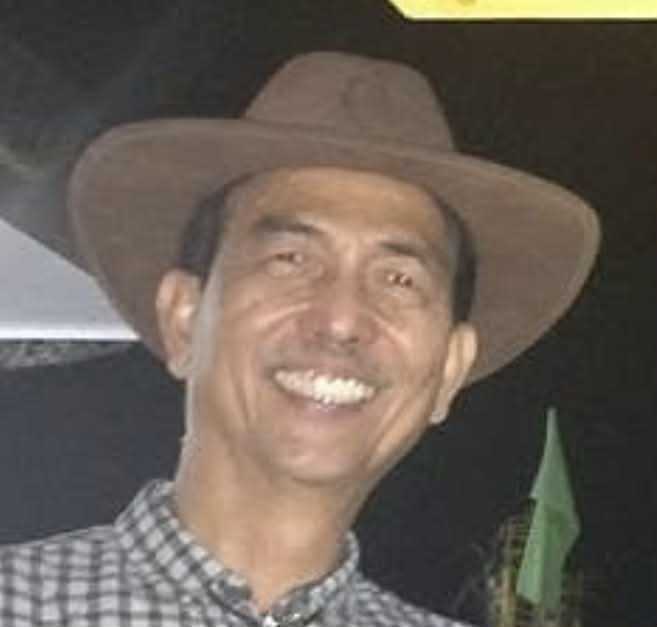
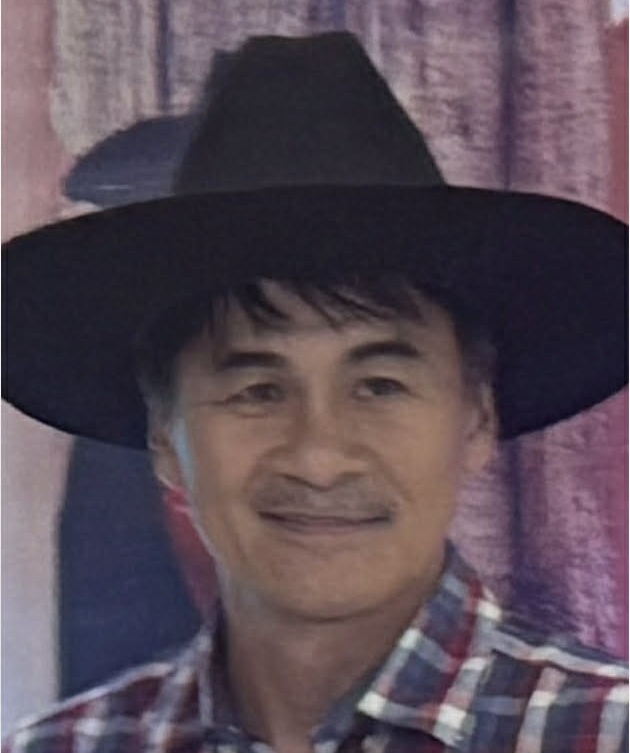
Rodeo Masbateño is the showcase of the province of Masbate. It is a venue for people from all walks of life we came to enjoy and see what the place has to offer in terms of investment opportunities and tourist destinations.
With the help of our partners from both the government and private groups, we envisioned to:
The Rodeo provides participants and visitors a rare chance to observe closely the latest techniques in handling livestock and horses for ranch and rodeo work.
Through the event, cattle ranchers, horse breeders, and feedlot operators can present their products to interested buyers and get the best prices for their livestock. This will encourage ranchers to breed the best and prepare them for the show. Like in the States, the Rodeo Masbateño can become a ONE-STOP SHOP for all allied enterprises to do business in an atmosphere of fun.
Through the various activities during the Rodeo week, interested parties can have ready access to new technology like cut flower, aquaculture, handicraft, and other complementary business enterprises.
The RMI plans to affiliate with the Professional Rodeo Cowboys Association and get accreditation to participate in the National Finals and possibly Regional Finals. In America, cowboys accumulate prize money by going to as many PRCA-sanctioned rodeos. The top 15 money earners compete in the US National Rodeo Finals in Las Vegas. Prize money earned in the Philippines and Asia circuit in the near future is counted in the determination of the top 15 money earners nationwide.
Our dream is to see a Filipino compete in the National Rodeo Finals in Las Vegas. This is one event that the Filipino can compete equally with the best in the world.
The annual event has proven to be an excellent catalyst to generate various enterprises such as souvenir shops, hotels and restaurants, and other service facilities. More rodeos mean more visitors. More visitors mean more jobs.
Dr. Hernando P. Dorongon
To know more about rodeo is to know more about animals particularly cows and horses for without these animals, one cannot appreciate the beauty of bull riding, casting down, carambola, lassoing on horseback and on foot and other cattle events.
Being a veterinarian or a doctor of animals, it is my duty too to educate the people about how to handle animals and more specifically learn the rules and regulations promulgated by our republic for the information, guidance and compliance of all concerned. This is how I got to be called “hayop na doctor”.
Kidding aside, transporting of animals by sea is common in Masbate, being an island province in which cattle raising for transport to other provinces is one of the major industries.
Pursuant to the provisions of Republic Act 8485, otherwise known as “The Animal Welfare Act of 1998”, we have to take into consideration the five basic freedoms of animals when transporting animals by sea which are:
To promote, ensure and protect the welfare of animals while they are being loaded and unloaded in the ports is our prime objective as animal handlers. In realizing this objective, it is recognized that there are certain limitations during transport that may restrict the enjoyment of the five basic freedoms of animals, provided that such procedures adopted for transportation are not contrary to law.
This order shall apply to private or public passenger cargo or pure cargo vessels and vehicles authorized to be used to transport animals while within Philippine territory and to companies or persons involved in transporting animals.
Basic premises and considerations are the following:
Before transporting the animals by sea, the shipper shall secure all required documents from the Bureau of Animal Industry (BAI) – Animal Health Division and Animal Welfare Division and in the case of aquatic animals from the Bureau of Fisheries and Aquatic Resources (BFAR) or any other specific animals to appropriate agencies concerned. In no case shall the animals be transported without the valid documents required by BAI and other government agencies concerned or face the consequences for any violation committed.
As a Veterinary Quarantine Officer, veterinarians like me shall ensure the following once assigned at any port to:
So, the next time we watch a Rodeo event, remember the animals at the arena and the doctor behind… it could be me.